Zacchaeus: The Publican
July 17, 2026
Thomas, the Honest Doubter
July 31, 2026Here is the class lesson for Sunday, July 26. This is week eight of our Summer Quarter which is titled “The Testimony of Faithful Witnesses.”
Today’s lesson is called, “Mary, the Mother of Jesus” and comes from various readings from the Gospels.


Historical Background
Today’s lesson is about Mary of Nazareth, the Mother of Jesus. There is a great deal of mythology surrounding Mary, so let’s look and what is actually known about her.
Mary (in Hebrew – Miryam, in Aramaic – Maryam, in Greek – Maria) was a late 1st century B.C. – early 1st century A.D. Jewish woman from Nazareth in Galilee. She is Maryam, mother of Isa in Islam. Mary has been given many names and titles over the last two millennia among which include:
• Saint Mary
• Virgin Mary
• Blessed Virgin Mary (“BVM”)
• Ever Virgin
• Blessed Mother
• Mother of God
• Queen of Heaven
• Our Lady
Mary, the Mother of Jesus
Christians believe she conceived her son miraculously by the power of the Holy Spirit. Muslims believe she conceived her son miraculously by the hand of God. Both are known as the “Immaculate Conception.” Her conception occurred after she was betrothed to Joseph but before the concluding rite of the formal taking-home ceremony. In Jewish tradition of the day, she would have been betrothed at about age 12 and given birth to Jesus around age 13.
Roman Catholics and Orthodox churches believe in the perpetual virginity of Mary as well as her assumption into Heaven (taken to heaven either before or at the time of death with no earthly body left). Protestants typically only believe in the Immaculate Conception but not in Mary’s perpetual virginity and her assumption. In general, Protestants assign a lesser role for Mary based on the brevity of Biblical references. Mary is mentioned by name mostly in Luke (Chapters 1 & 2) and Matthew (Chapters 1, 2 & 13); once in Mark (Chapter 6) and is referred to but not named twice in John (Chapter 2, 19). Mary is also mentioned once in Acts (Chapter 1). In the book of Revelation, many Roman Catholics believe “the woman clothed with the Sun” (Chapter 12:1, 5-6) refers to Mary.
According to Luke, Mary was a cousin to Elizabeth, wife of the priest Zechariah. Mary was related to David through his third son of Bathsheba, Nathan (see Luke 3). The apocryphal second-century A.D. “gospel of James” identifies Mary’s parents as “Joachim” and “Anne.”
Mary’s death is not recorded in scripture; however, Roman Catholic tradition states that Mary was “assumed” (taken bodily) to heaven. She is believed to have died in Ephesus while living with the Apostle John.
Hyppolitus of Thebes claimed that Mary lived for 11 years after Jesus’ death and died in ca. 41 or 44 A.D. in Ephesus. According to Roman Catholic tradition, Mary died while surrounded by the remaining Apostles. When the Apostles opened her tomb later (to move her bones to an ossuary), they found no body, thus concluding she had been assumed into heaven.
Over the centuries, the veneration of Mary has grown considerably. Roman Catholics and the Orthodox churches (Greek, Armenian, and Russian) do not view Mary as divine; however, they are encouraged to pray to her for intercession on their behalf. Roman Catholics believe (1) Mary is the Mother of God, (2) the Immaculate Conception through the Holy Spirit, (3) the virgin birth of Jesus, (4) her Perpetual Virginity, (5) Mary’s Dormition (falling asleep), and (6) her Assumption into Heaven. There is no Bible reference for the last three of these beliefs.
Many scholars believe the early church adopted titles for Mary, such as the “Queen of Heaven,” to replace the existing cultic worship of Artemis and draw more women into the church. Pope John Paul II was an ardent follower of Mary, believing that she intervened to move the assassin’s bullet and save his life. John Calvin stated, “It cannot be denied that God in choosing Mary to be the Mother of His Son, granted her the ‘highest honor.’” Protestants acknowledge that Mary is “blessed among women,” and she is considered an outstanding example of a life dedicated to God.
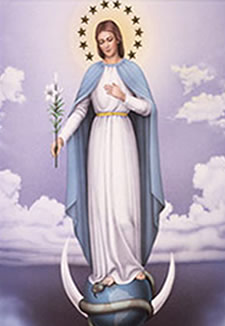
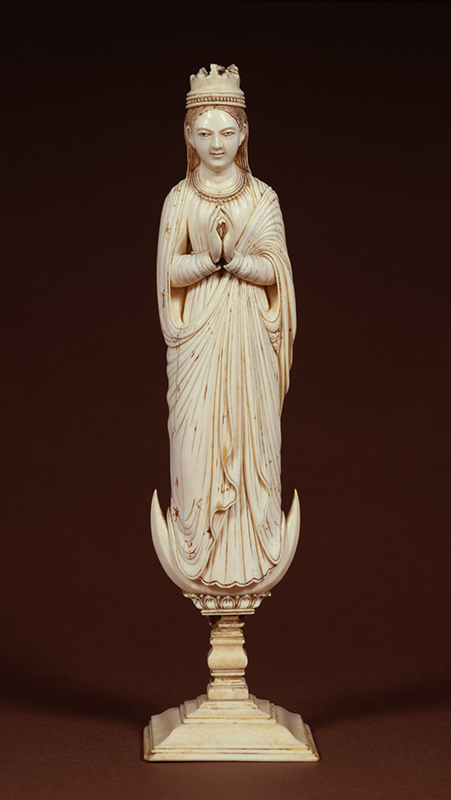
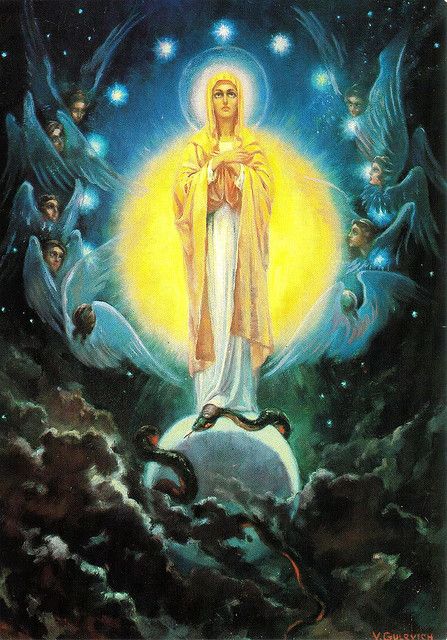
Roman Catholic images of Mary as “Queen of Heaven”
Note the presence of the crescent moon or full moon (below left) as one of her symbols


Nazareth
Nazareth is the largest city in the north district of modern Israel and is considered the Arab capital of the country (Arabs = 69% population). Nazareth is not mentioned in non-Christian texts until the 3rd century A.D. The name either comes from the Hebrew stem for “branch” (netzer) (“from Jesse’s roots will come a branch that bears fruit”) or from the word Nazarene meaning dedicated to God.
Nazareth appears to have been a very minor backwater village with a maximum estimated 1st-century A.D. population of 480. However, recent work now suggests Nazareth may have been as large as about 1,500 in the first century. Nathaniel's comment, “Can anything good come out of Nazareth?” probably stems from its minor status.
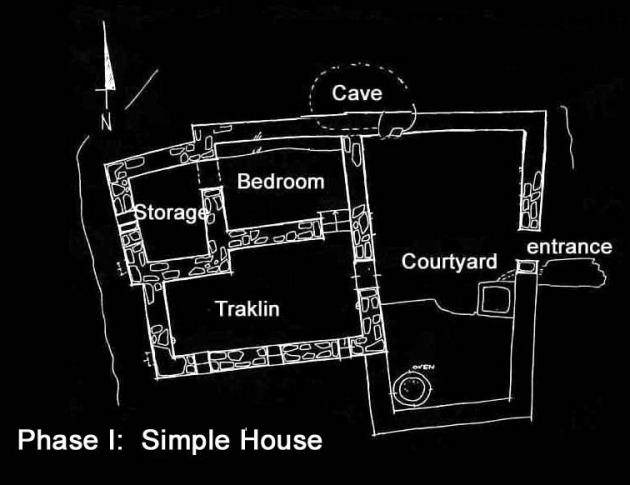
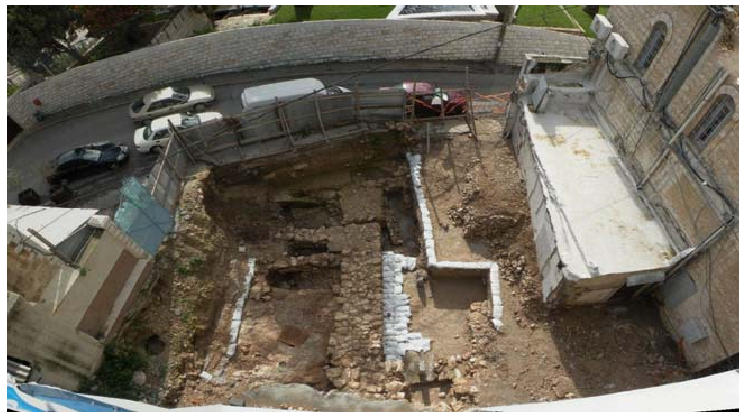
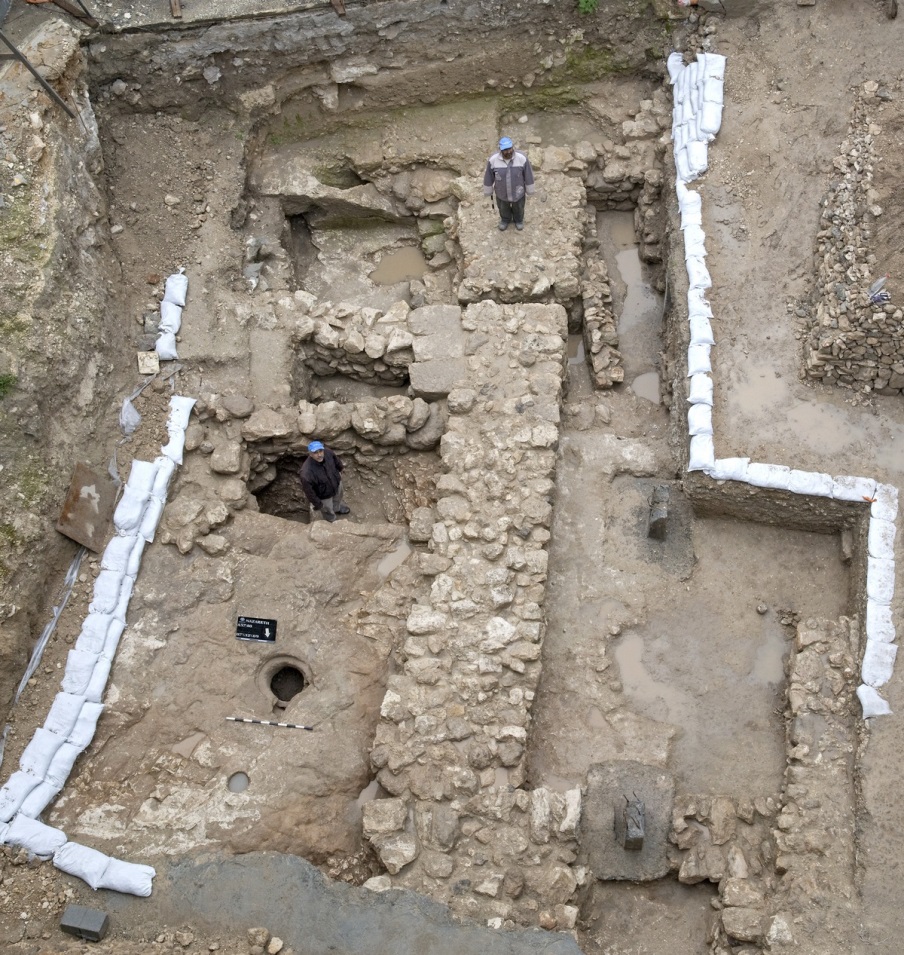
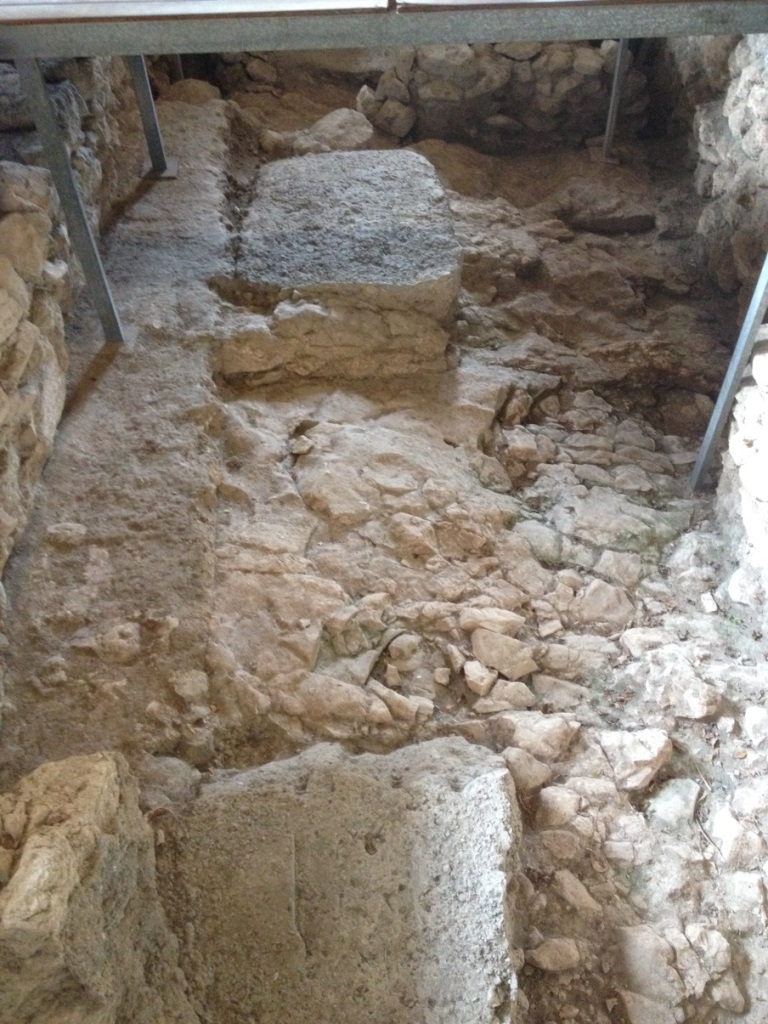
Archeologists have found that Nazareth was occupied from the end of the Early Bronze Age (2200 B.C.) to about 720 B.C.; then reoccupied during the 1st century B.C. In 2009, repairs on a local church revealed the foundations of several 1st-century A.D. “courtyard” houses which have become known as the “Jesus House” or the “House of Mary.” These can be seen if you visit Nazareth today.