Remember God’s Actions
September 13, 2026God’s Complicated Promise
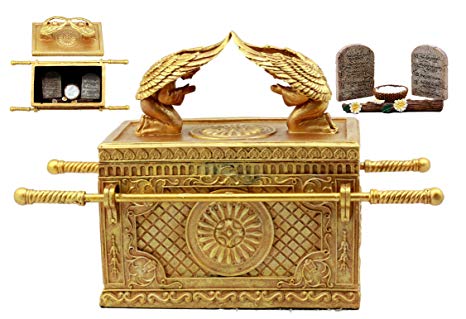
September 21, 2026The Ark of the Covenant, also known as the Ark of the Testimony or the Ark of God, was a gold-covered wooden chest described in the Book of Exodus. It contained the stone tablets of the Ten Commandments. Scripture also describes it as carrying a pot of manna and Aaron’s rod.
The Ark of the Covenant
- The Ark was constructed from shittim wood, also known as acacia.
- Moses instructed the Levites Bezalel and Oholiab to construct the Ark. In Deuteronomy, however, Moses is said to have made the Ark without help from others.
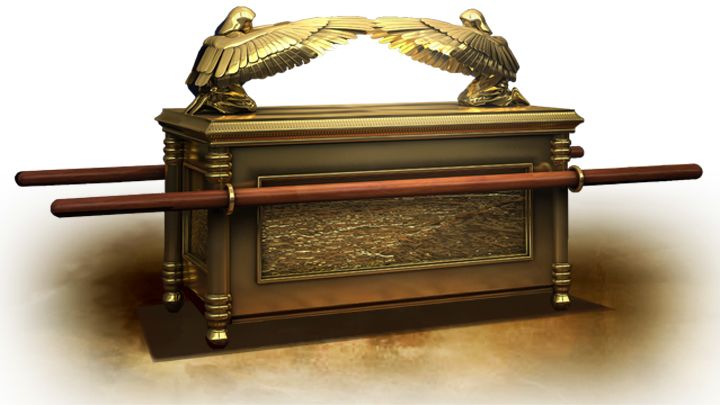
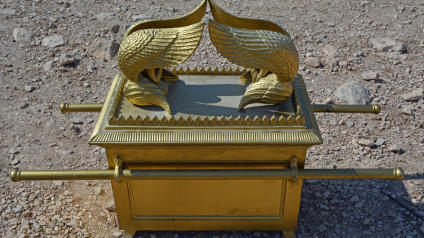
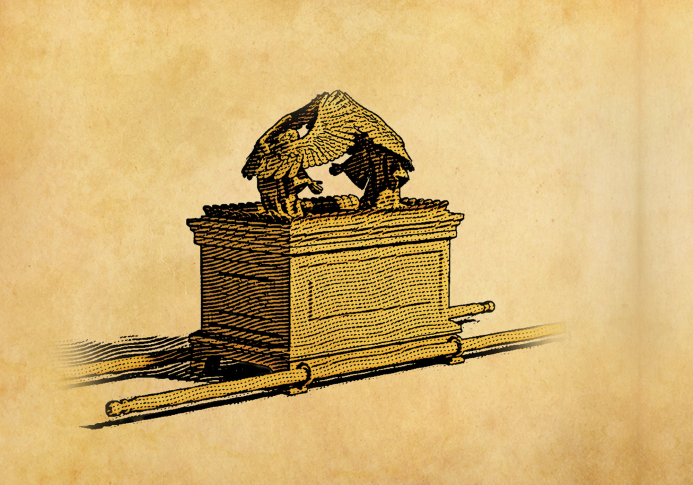
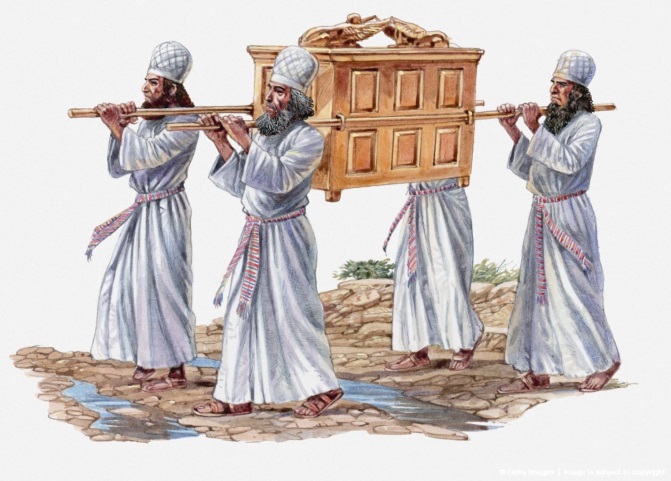
- Exodus gives a detailed description. The Ark measured 2½ cubits long, or about 52 inches, and 1½ cubits wide and high, or about 31 inches. Gold covered the chest, with crown molding of solid gold. Four rings were placed at the corners. Two gold-covered staves of shittim wood passed through the rings and were never to be removed. A golden lid, called the kapporet or mercy seat, sat on top beneath two inward-facing cherubim.
- Moses was said to speak to God between the two cherubim.
- A veil of animal skins and blue linen always covered the Ark. No one, including the priests, saw it uncovered.
- The Ark preceded the Israelites by 2,000 cubits, about 2,600 feet, while they marched.
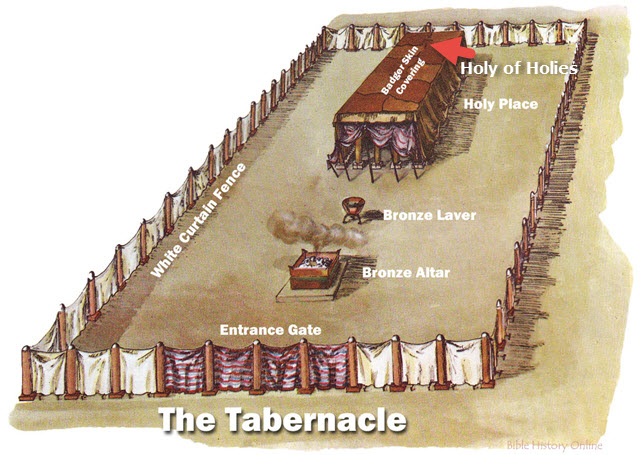
- When the people camped, they placed the Ark inside a tent known as the Tabernacle of Meeting.
The Ark in Israel’s History
The Ark remained in the Tabernacle at Shiloh before David brought it to his new capital of Jerusalem.
- The Philistines captured the Ark at the Battle of Eben-Ezer and held it in Ashdod for seven months.
- The Philistines suffered diseases including boils, genital tumors, and a plague of mice. The statue of Dagon also broke and was found lying before the Ark.
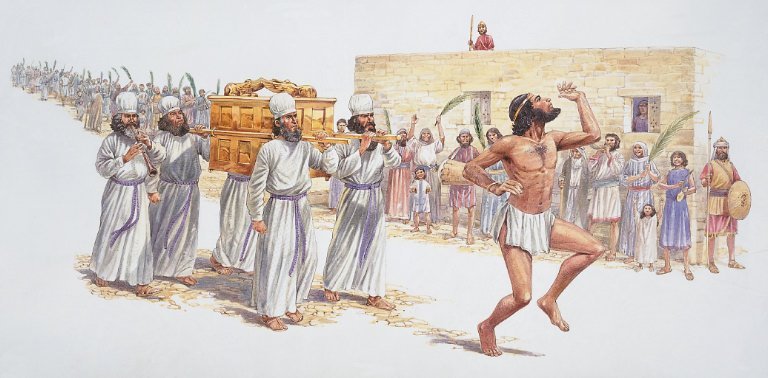
- After the Ark returned to the Israelites, David moved it and the Tabernacle into Jerusalem.
- Solomon moved the Ark into the Holy of Holies in the First Temple.
- The Ark remained in the Temple until Babylon destroyed Jerusalem in 586 B.C.
What Happened to the Ark of the Covenant?
With Babylon’s destruction of Jerusalem and the burning of the Temple, what happened to the Ark? The last biblical mention appears in 2 Chronicles 35, when King Josiah asks the priests to return it to the Temple from the place where it had been hidden during the reign of King Manasseh, from 698 to 642 B.C. The short and truthful answer is that nobody knows for sure, but many theories have arisen.
- Many Jewish scholars believe the Ark remains on the Temple Mount in Jerusalem, hidden in a sealed chamber.
- Other historians believe Nebuchadnezzar carried it to Babylon with the other sacred vessels. Detailed Babylonian lists mention virtually every other type of religious object taken from the Temple but do not mention the Ark.
- Independent researcher Jim Barfield has studied the Copper Scroll found at Qumran. He believes he located three of its treasures. One may lie near a mikveh at Qumran, another near a room, and the largest in a nearby sealed cave. He has reported strong metal detector readings and has applied for an excavation license with the Israel Antiquities Authority.
- Another account says Temple priests secretly took the Ark to Elephantine Island in Egypt after Josiah’s death in 609 B.C. Elephantine had one of the largest Jewish communities outside Judea from about 610 to 410 B.C. and had a replica of the Temple.
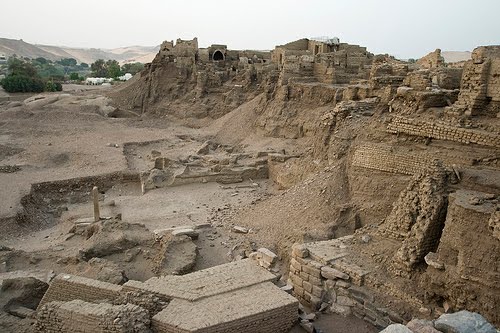
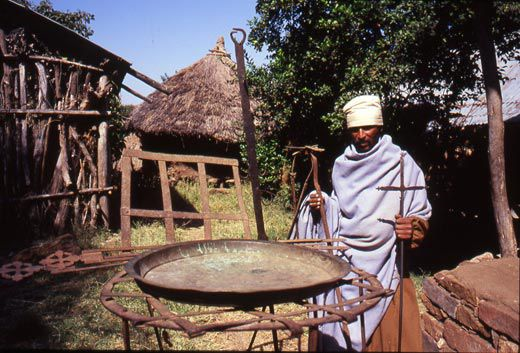
- When the Egyptians forced the Jewish community to leave Elephantine in 410 B.C., the group may have moved south to Tana Kirkos in northern Ethiopia. Local traditions associate the Ark with the island, where priestly vestments and altars remain.
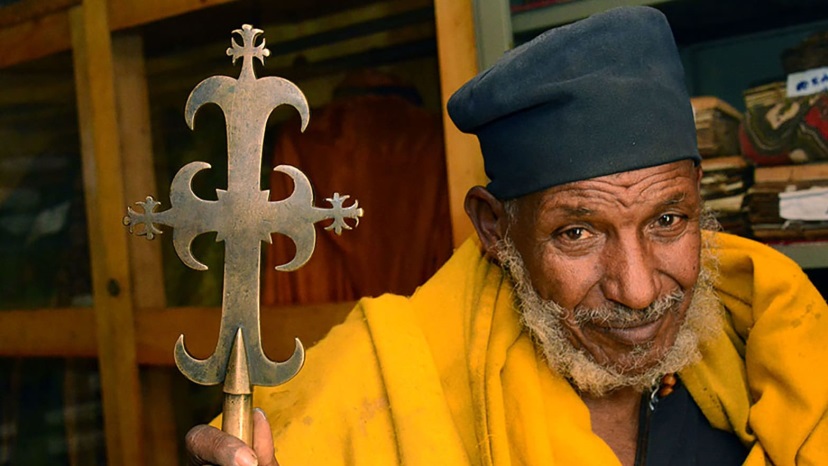
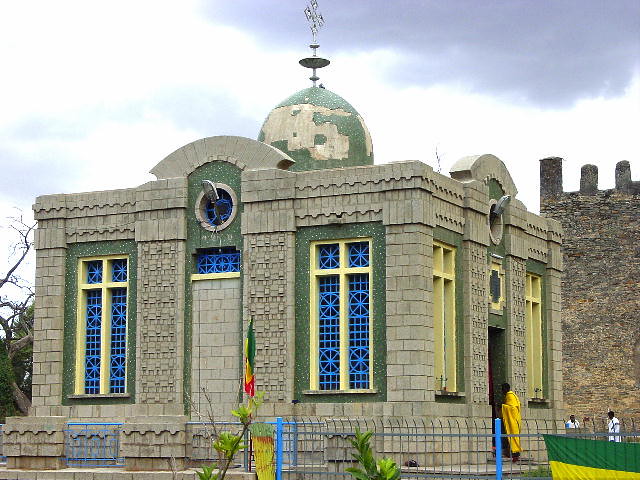
- Tradition says the Ark later moved to Aksum, where it rests in the Church of St. Mary of Zion. A high priest appointed for life cares for it.
Ethiopia is the oldest Christian state in the world. It is also the only Christian community where every church has a representation of the Ark of the Covenant inside the chapel.