Lydia, Judged to be Faithful
August 31, 2026This is week one of our Fall Quarter which is titled “The Soul of a Nation.” Today’s lesson is called, “The Covenant Continues” and comes from Joshua 1.
Historical Background
Today’s lesson describes after Moses’ death, the passing the mantle of leadership on to Joshua. The Conquest of Canaan will be extremely difficult and will require the strength of a younger man and one who is more of a warrior than Moses. So as the Israelites are about to encounter the Canaanites, let’s take a quick look at who these ancient people were.
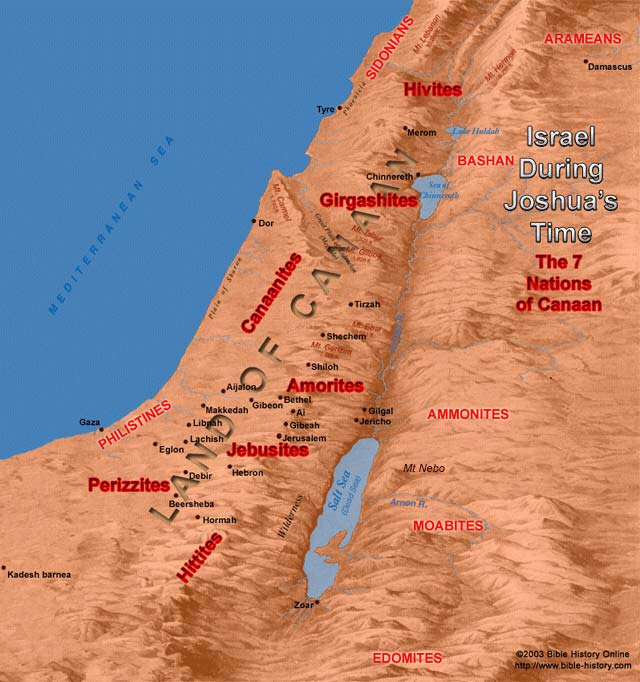
The word “Canaanite” is a generic term used to describe a loose confederation of Semitic peoples who occupied Palestine prior to the Conquest of Joshua. In fact, the people we now call the Canaanites appear to have migrated into the region from the east somewhere near the beginning of the Early Bronze Age (ca. 3300 B.C.) The Bible refers to the “Seven Nations of Canaan” which included (from north to south) the Hivites, Girgashites, Amorites, Canaanites (along the western coast of Canaan), Jebusites (Jerusalem), Preizzite and the “Hittites.” The latter has caused much confusion as there is a much larger culture in Anatolia (modern Turkey) called the Hittite Empire. The two peoples are not the same. Recent research has shown that the name “Hittites” used to describe a Canaanite group is a mistranslation and the word should be “Hettites” stemming from the sons of Heth. The Ammonites (living in central Jordan) are sometimes included as a Canaanite people.
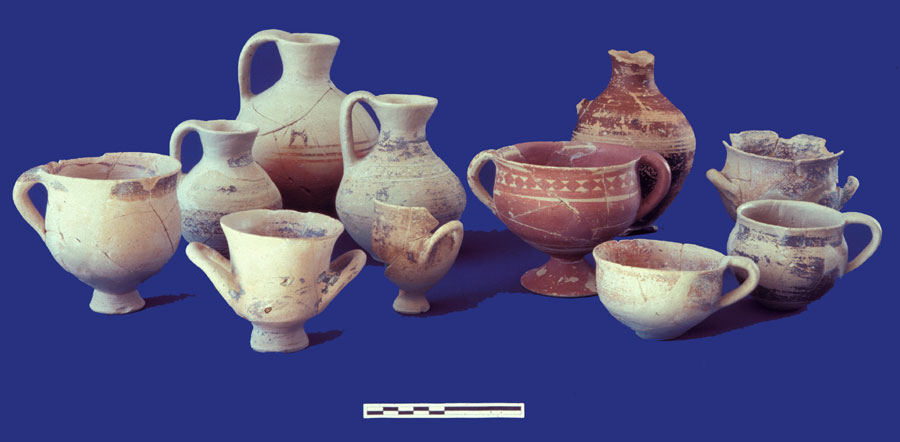
The Canaanites lived adjacent to and traded with the Philistines and the Phoenicians to the West, the Syrians, Ammonites, and Moabites to the North and East, and with the Edomites to the South. There are numerous examples of trade goods in Canaanite sites, the most diagnostic being imported Cypriot pottery which occurs in Canaanite cities during the Late Bronze Age (ca. 1550-1200 B.C.). The word “Canaan” means “Land of Purple” and refers to a purple dye which was developed in the area from the Murex clam that lives in the eastern Mediterranean. Murex shells were collected and boiled producing the purple dye which was then traded across the Mediterranean world. Later, after the Israelite conquest of Canaan, the term Canaanite became synonymous with “merchant.”
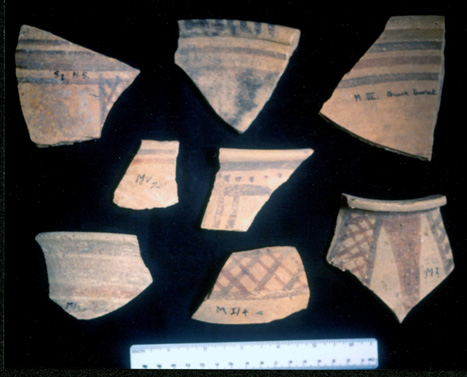
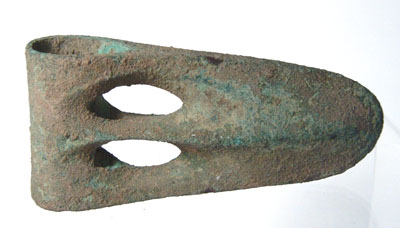
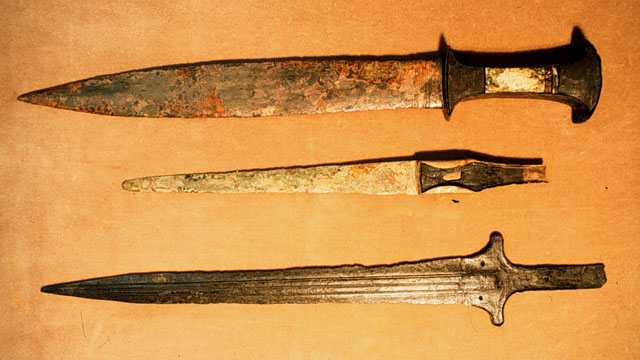
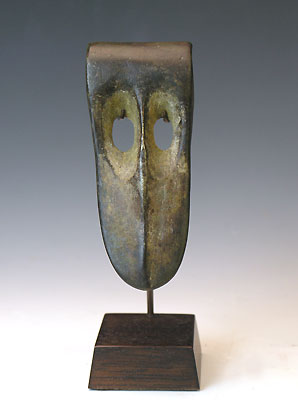
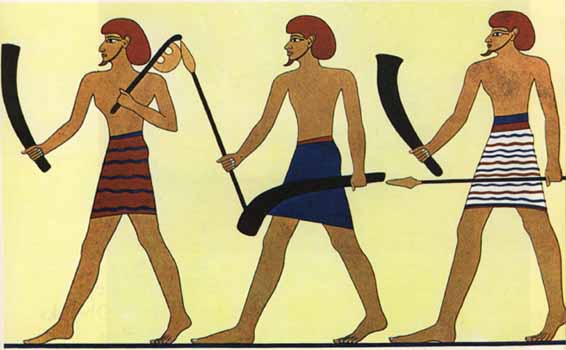
The Canaanites had a sophisticated culture including well-built cities. The Canaanite language is believed to have been the base language that both Hebrew and Arabic stem from. Their alphabet, modified by the Phoenicians, is the root of our modern alphabet and where we get the word “phonetics.” Canaanite pottery was considered some of the best in the region, being thin and well-made from local clays. The Canaanites were some of the first people to mass produce pottery rather than each individual household having to have its own potter. The Canaanites were also skilled metallurgists making all sorts of bronze implements including swords, spears, arrows, plows, mirrors, pins and needles, etc. Canaanite warriors had a regional reputation as being skilled charioteers (fast two-wheel chariots) and hired themselves out as mercenaries to many different Mid-Eastern armies.
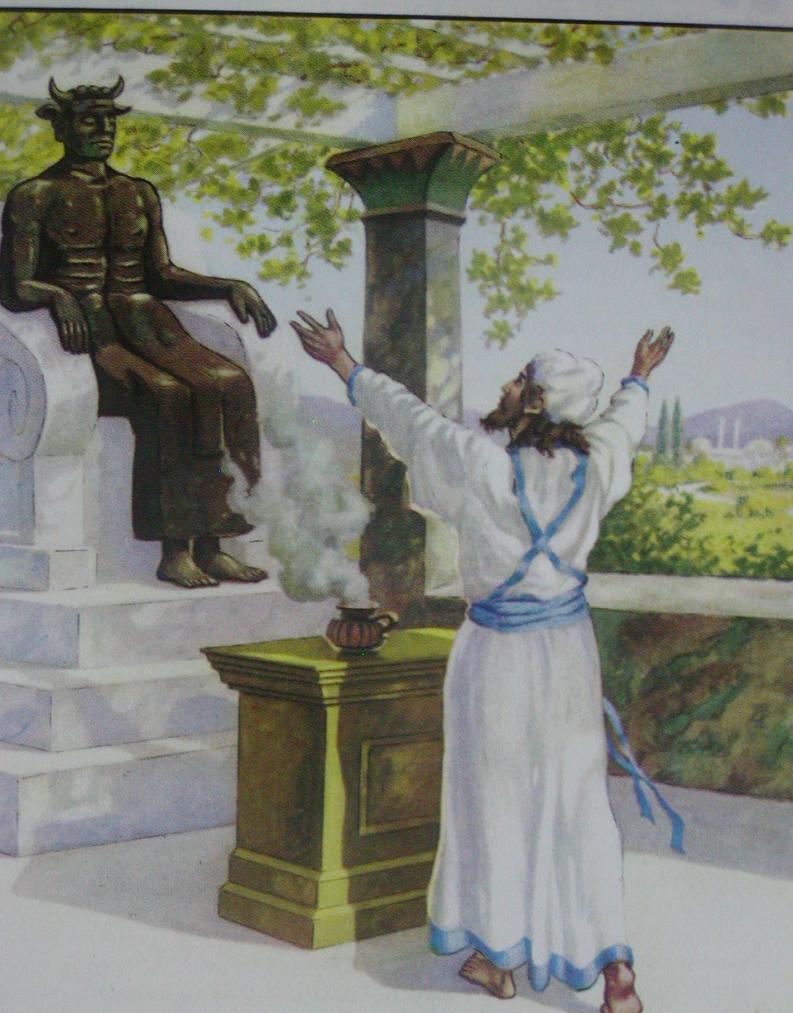
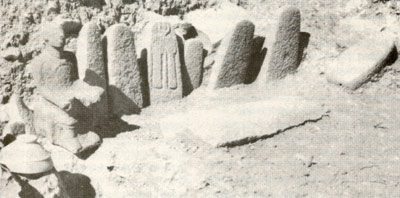
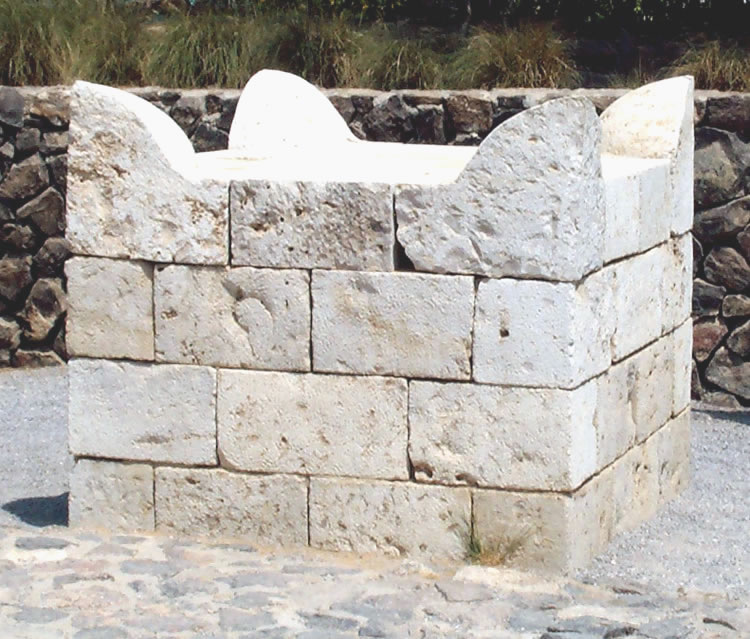
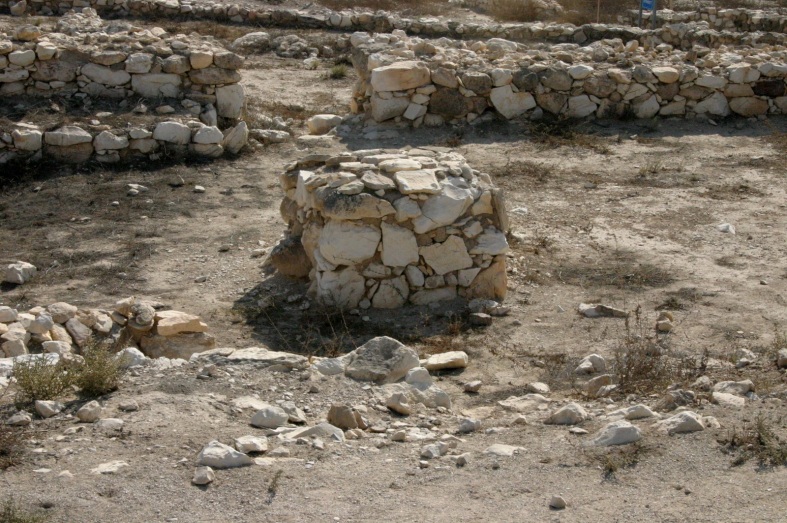
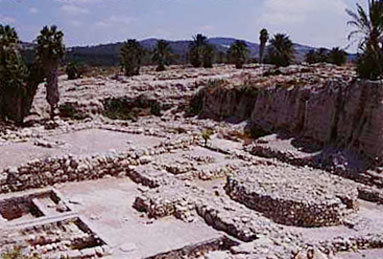
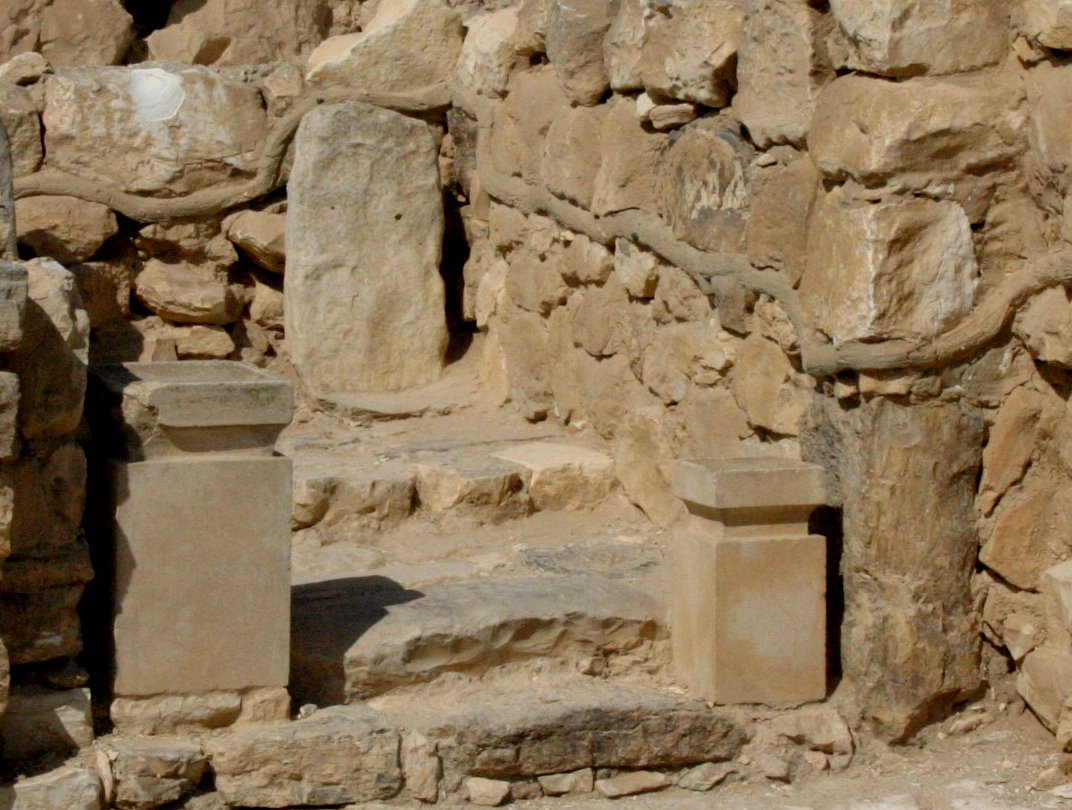
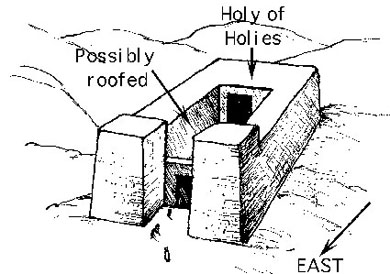
The Canaanites were a strongly religious people and many of their temples have been found and excavated. These are typically rectangular structures with an outer room and then a smaller inner room (“Holy of Holies”) which contained a raise altar. The Canaanite religion was what sociologists call a “sympathetic” religion based on fertility. What this means is that the religious worshipers would practice in real life what they hoped the gods would then emulate. Fertility of the people was equated with fertility of the land which then was equated with life.
The Canaanites worshiped a large pantheon of gods, the principal gods being El (father of the gods), Baal (storm god), Astarte / Anath (Baal’s consort) and Mot (god of death and the underworld, among others. Religious ceremonies centered around the “Baal Epic.” This story told the yearly cycle of the gods which mirrored the seasons of the year. In the winter, Mot would rise from the underworld and kidnap and slay Baal. In order for the earth’s fertility to return, Astarte or Anath (both names are used) would venture into the underworld and kill Mot. She then would resurrect Baal through a very sensual sexual union. If Baal would return, then so would the rains and thus the crops and therefore life for the people.
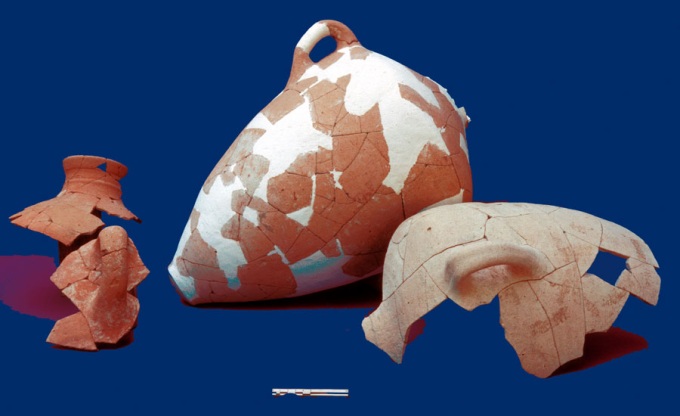
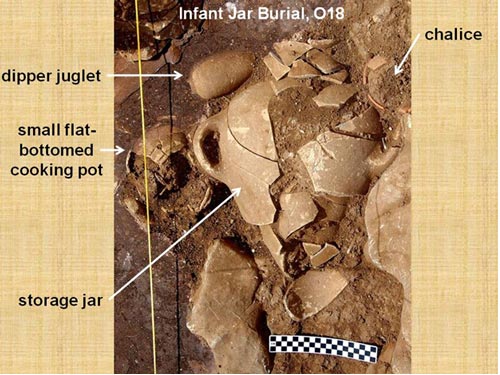
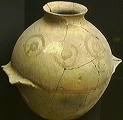
While Canaanite religious ceremonies involved bloodletting from the priests and the eating of wine-soaked cakes, it also involved child sacrifice. Canaanite families were expected to sacrifice their first child immediately after birth and then bury the child inside a jar usually under the foundation of the house. When God stops Abraham from sacrificing Isaac and substitutes a ram for the sacrifice, he is teaching Abraham that what the Canaanites do is abhorrent to God. It is believed that this practice of child sacrifice and other deviant behaviors is the reason that God condemns the Canaanites to be violently replaced by the Israelites.
Lesson: Joshua 1:1-18
OK, time to get your Bibles out and turn to Joshua 1. Key highlights of these verses are as follows:
- V1-9: Moses had already passed the torch of leadership onto Joshua before his death. Now, after Moses is taken into heaven, the Lord speaks to Joshua as the new leader of the Israelites. He gives him the dimensions of the land He is giving to Israel and tells him he will face great obstacles but be strong and courageous because the Lord will be with him. Verse 9 is a great verse to remember in your life.
- V10-18: Joshua commands the people to make three days’ worth of provisions for in three days’ time they will cross the Jordan River and begin the Conquest of Canaan. But the tribes of Reuben, Gad, and the half-tribe of Manasseh say they have already claimed their share on the east side of the Jordan River. Joshua agrees with this but then reminds them that as part of their being given this land, they must fulfill their duty to the other tribes and cross over and fight the Canaanites. The leaders of these tribes agree to their promise to help the rest of Israel.
Conclusions
Joshua chapter 1 shows that with God’s encouragement and Joshua’s whole hearted response, Joshua turns into a strong leader: Note he is to be leader, not a “manager,” He is to have a decisive leadership style but always be submissive to God’s will. A qualified leader is always in tune with God.
Joshua would have needed to remind the Israelites of God’s promises (Deuteronomy 28:1-14):
– “The Lord your God will set you high above all the nations on earth” (v. 1)
– “You will be blessed in the city and blessed in the country” (v. 3)
– “The fruit of your womb will be blessed” (v. 4)
– “Enemies will come at you from one direction but flee from you in seven” (v. 7)
– “The Lord your God will bless you in the land He is giving to you” (v. 8)
– “The Lord will open the heavens to send rain, to bless all the work of your hands” (v. 12)
– “You will lend to many nations but borrow from none” (v. 12)
– “The Lord will make you the head, not the tail” (v. 13)
– “You will always be at the top never at the bottom”(v. 13)
But a life of promise also has with it a life of responsibility. God spells this responsibility out to Joshua by saying (1) be careful to observe all of God’s laws and commandments, (2) do not turn from the left or the right from what God has said, and (3) meditate on God’s word day and night.
Next week we continue with our study of the book of Joshua with a lesson from Joshua 4 on “Remember God’s Actions.” As our historical background, I will talk about the crossing of the Jordan River and placing the memory stones at Gilgal.
Dear Lord, thank you for all the gifts that you have bestowed upon us on a
daily basis in our lives and for the wonderful promise of an eternal future with
you. Teach us to understand that with these promises comes a lifestyle of
responsibility on our part. Help us to realize that responsibility by meditating
on your word and then courageously demonstrating it through our actions. In
Christ’s name we pray, Amen.
Have a great week in the Lord and I will see you next week.
-

- Worship of Baal: infant sacrifice and burial.
-

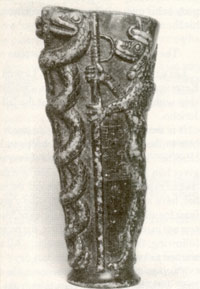
- Worship of Baal: bronze situlae.
-

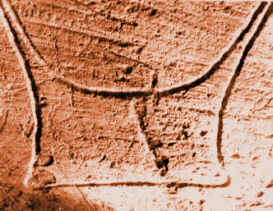
- Canaanite temple worship: a four-horned altar.
-

- Storm God Baal (or Ba’al), male god of storms, lightning, and fertility.
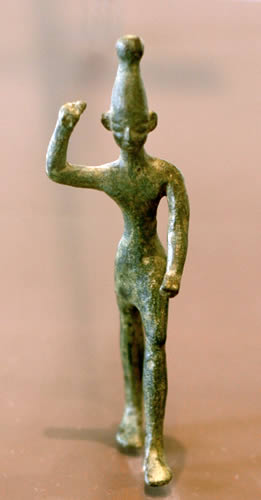
-

- Storm God Baal (or Ba’al), male god of storms, lightning, and fertility.
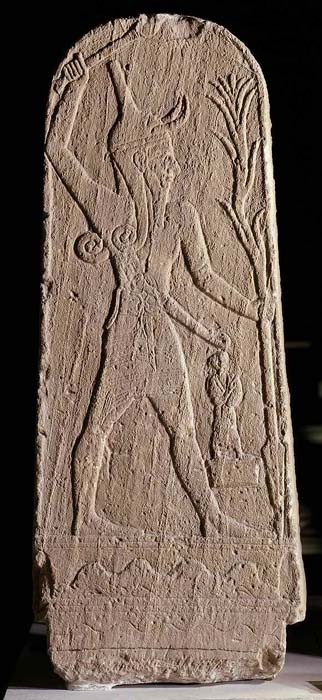
-

- Storm God Baal (or Ba’al), male god of storms, lightning, and fertility.
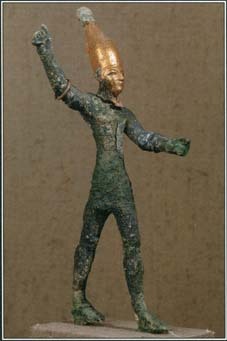
-

- Storm God Baal (or Ba’al), male god of storms, lightning, and fertility. Symbols include the bull and lightning bolts.
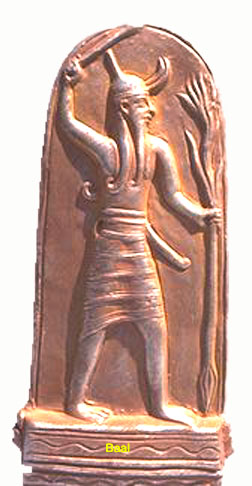
-

- Storm God Baal (or Ba’al), male god of storms, lightning, and fertility. Symbols include the bull and lightning bolts.
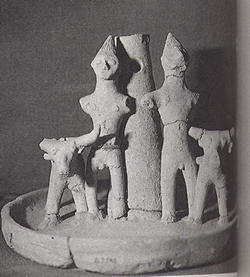
-

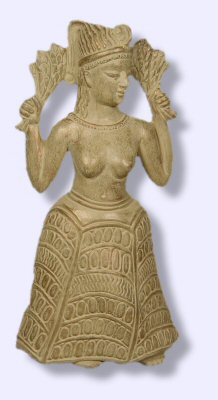
- Goddess Astarte or Anath, female goddess of fertility, women, and war.
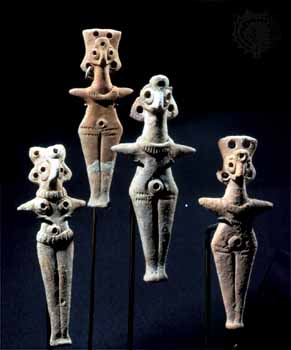
-

- Goddess Astarte or Anath, female goddess of fertility, women, and war.
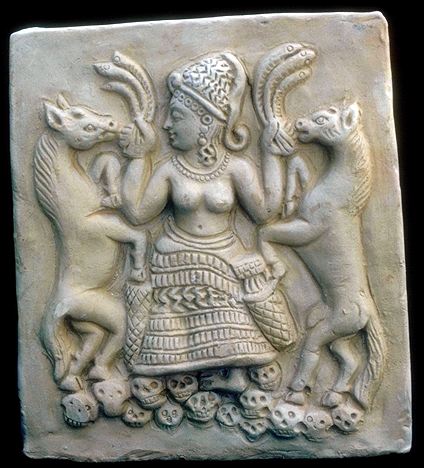
-

- Goddess Astarte or Anath. Symbols include Venus, the eight-pointed star, rhomb, wheat sheaves, and animals.
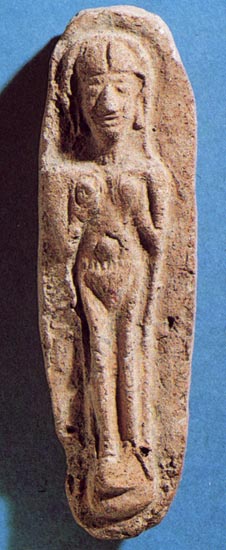
-

- Goddess Astarte or Anath. Symbols include Venus, the eight-pointed star, rhomb, wheat sheaves, and animals.
-

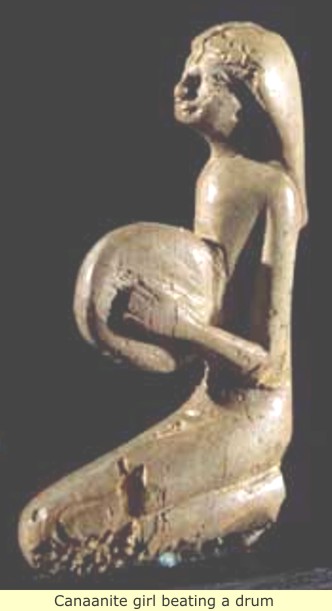
- Goddess Astarte or Anath. Symbols include Venus, the eight-pointed star, rhomb, wheat sheaves, and animals.
-

- Worship of Baal: bronze situlae.
-

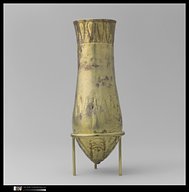
- Worship of Baal: bronze situlae.
-

- Worship of Baal: temple worship.
-

- Asherah (“Massebah”) in the Holy of Holies.
-

- Canaanite temple worship: a four-horned altar.
-

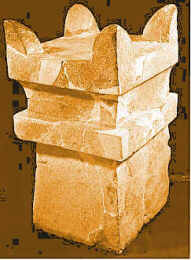
- Canaanite temple worship: a four-horned altar.
-

- Canaanite temple worship: incense burner.
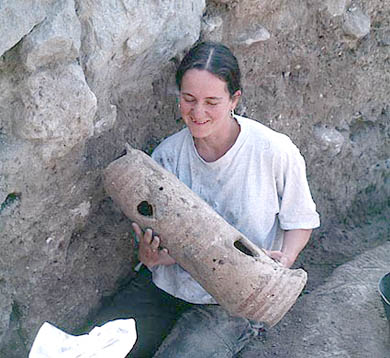
-

- Canaanite temple worship: incense burner.
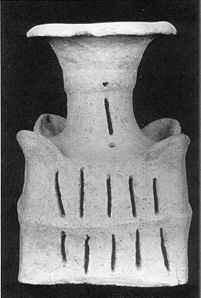
-

- Canaanite temple worship: incense burner.
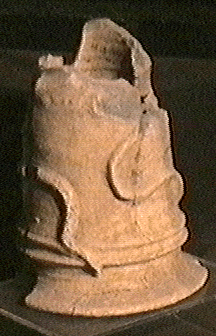
-

- Canaanite temple worship: a four-horned altar.
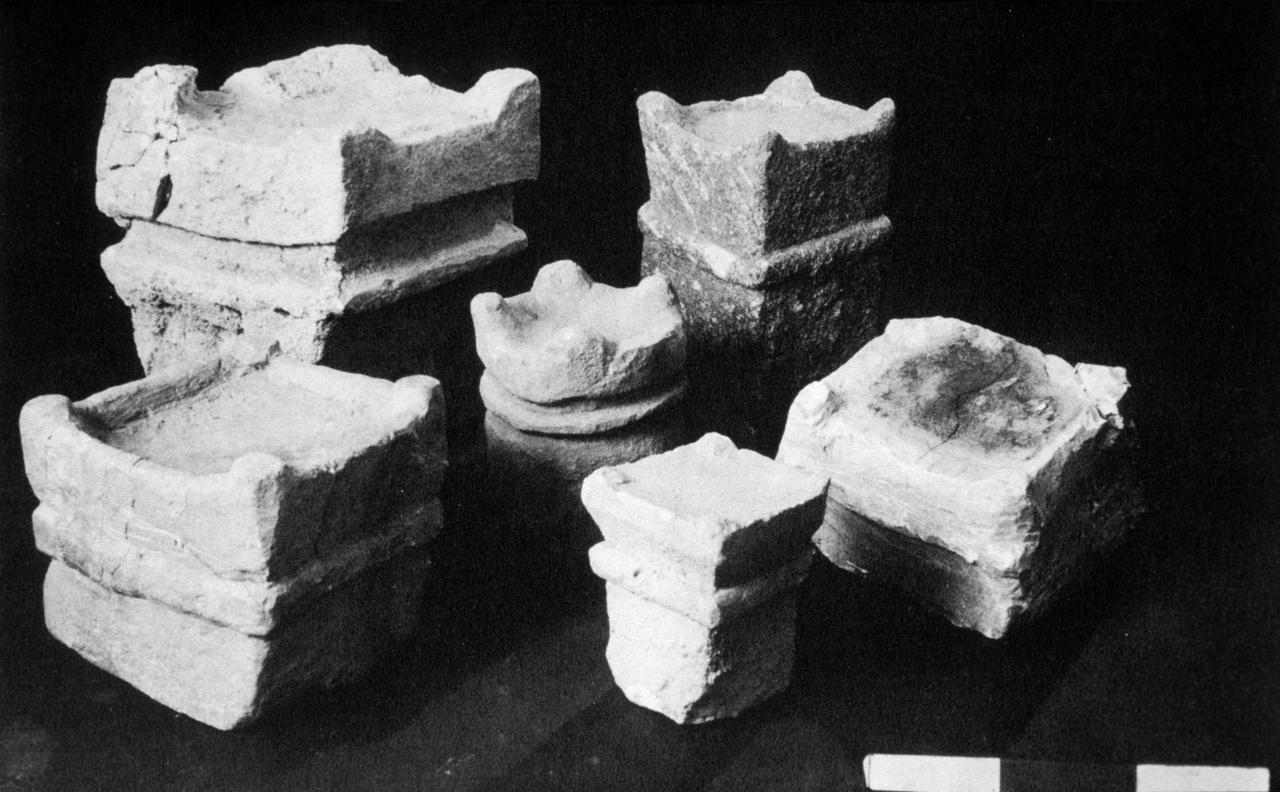
-

- The main altar of a Canaanite temple.
-

- Canaanite temples.
-

- Canaanite temples.
-

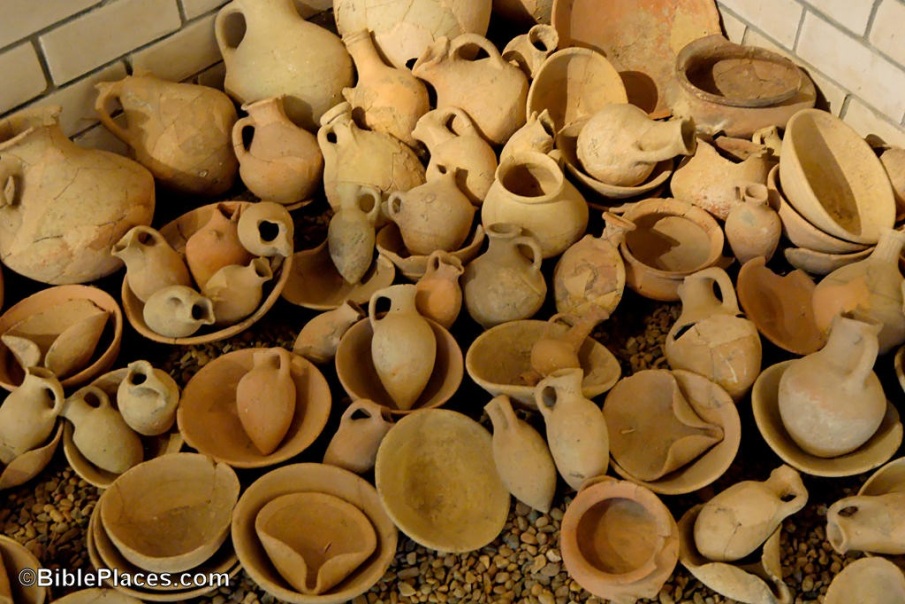
- Canaanite culture: plain ware.
-

- Canaanite culture: plain ware.
-

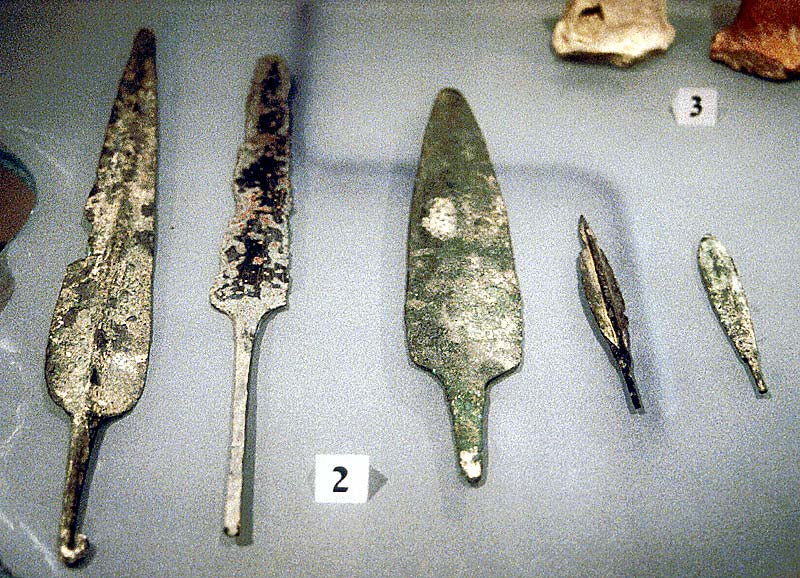
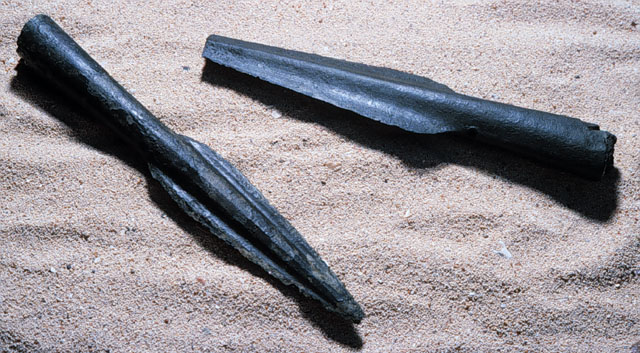
- Canaanite culture: bronze spear points.
-

- Canaanite culture: bronze spear points.
-

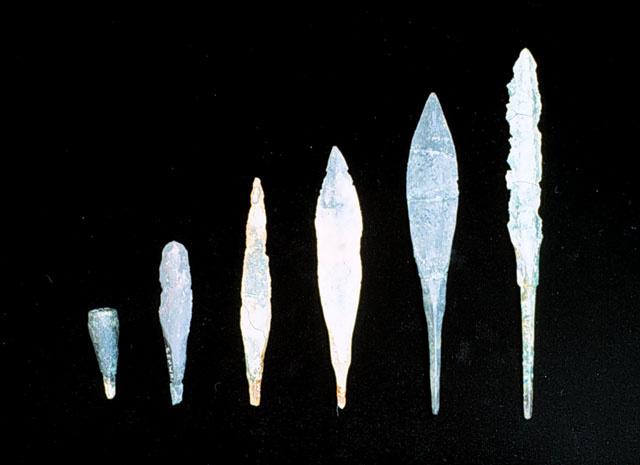
- Canaanite culture: bronze leaf-shaped arrowheads.
-

- Canaanite culture: a Canaanite “duckbill” axe.
-

- Canaanite culture: Canaanite bronze swords.
-

- Canaanite culture: a Canaanite “duckbill” axe.
-

- Canaanite temples.
-

- Canaanite culture: imported Cypriot pottery.
-

- Canaanite peoples and the land of Canaan.
-

- Egyptian depiction of Canaanite warriors, showing beards, Semitic noses, and a duck-billed axe.
-

- Canaanite culture: painted ware.
-

- Canaanite culture: storage jars.