
Stephen, An Early Interpreter of Christianity
August 9, 2026
Timothy, The Influence of Home Training
August 21, 2026Here is the class lesson for Sunday, August 16. This is week eleven of our Summer Quarter which is titled “The Testimony of Faithful Witnesses.”
Today’s lesson is called, “Saul of Tarsus: How a Pharisee Became a Christian” and comes from Acts 22.
Historical Background
Today’s lesson is about the Apostle Paul so let’s look at what is known about his life and his ministry.
Paul was born Saul of Tarsus, a city in southern Anatolia (Turkey). He was from a Jewish family from the tribe of Benjamin. Tarsus was a city well known for its intellectual environment and Paul appears to have received a strong education in Jewish legalism. Early in his life he moved to Jerusalem to continue his education under Gamliel, one of the most learned Pharisees in history. Paul was a Pharisee and the son of a Pharisee. The date of his birth is unknown but is believed to have been around 5 A.D. based on the fact that he was in his 60s when he was killed.
As a leading Pharisee in Jerusalem, Paul helped to persecute members of the new Christian faith. He appears to have played a leading role in the stoning death of Stephen and was on his way to persecute Christians in Damascus when he received his vision of Christ. This led to his conversion to Christianity and his mission to be Christ’s “Apostle to the Gentiles.”
Paul never married and was a proponent of celibacy. However, he was not against the institution of marriage if it was practiced as Jesus preached. As he moved around the Roman world in the eastern Mediterranean, Paul supported himself through tent making, possibly for the Roman military. There are some scholars that believe his family in Tarsus may have been in the tent making business and thus Paul grew up learning the trade.


Two of the Earliest Depictions of the Apostle Paul (mosaics);
Note the Long Thin Face and Nose and Receding Hairline
Which Match Early Church Traditions of what Paul Looked Like
-

- Early Greek and Russian Orthodox Depictions of the Apostle Paul
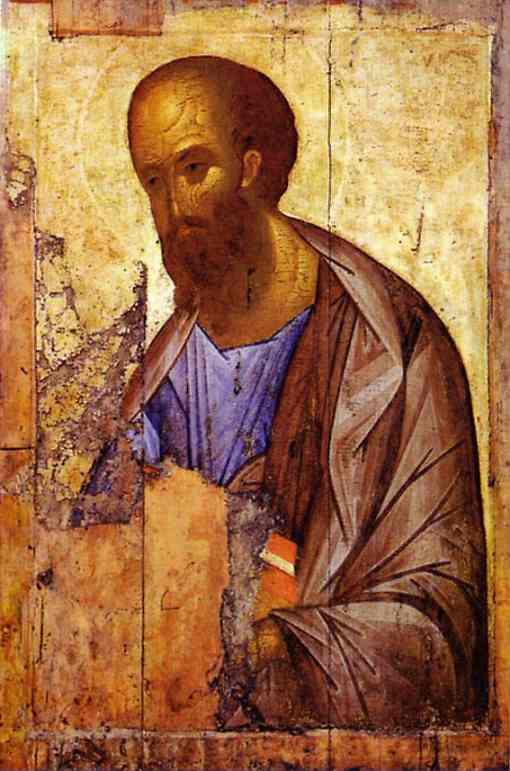
-

- Early Greek and Russian Orthodox Depictions of the Apostle Paul
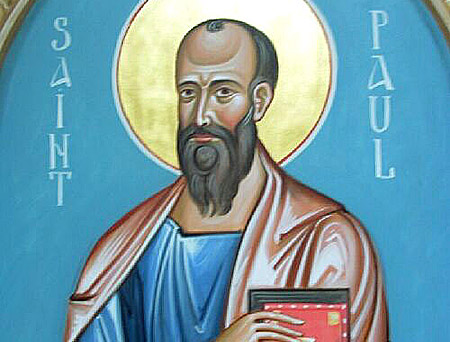
-

- Early Greek and Russian Orthodox Depictions of the Apostle Paul
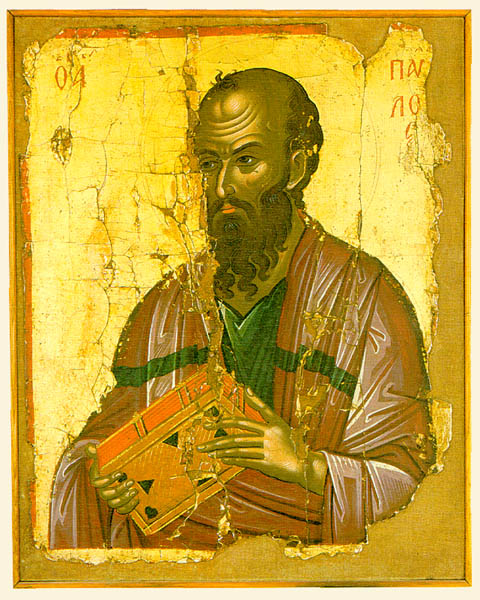
-

- Renaissance Depictions of the Apostle Paul Rembrandt
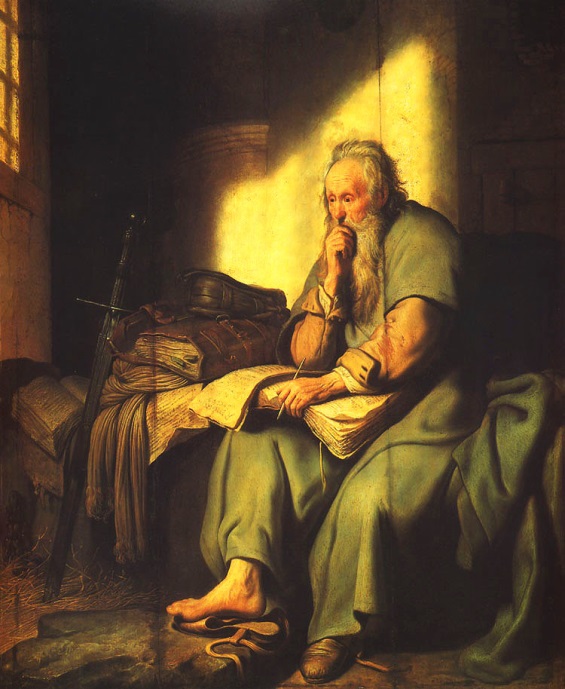
-

- Valentin de Boulogne
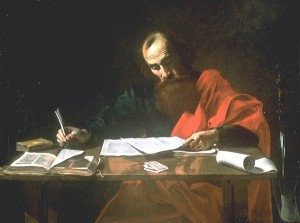
-

- Modern Forensic Reconstruction of What Paul Likely Looked Like
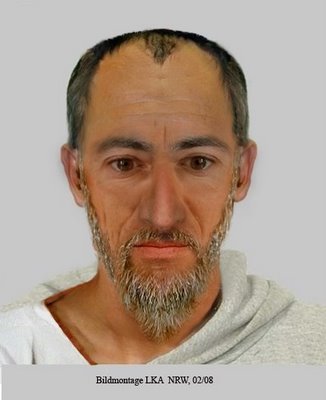
-

- AI Generated Portrait of Paul Based on All Early Depictions
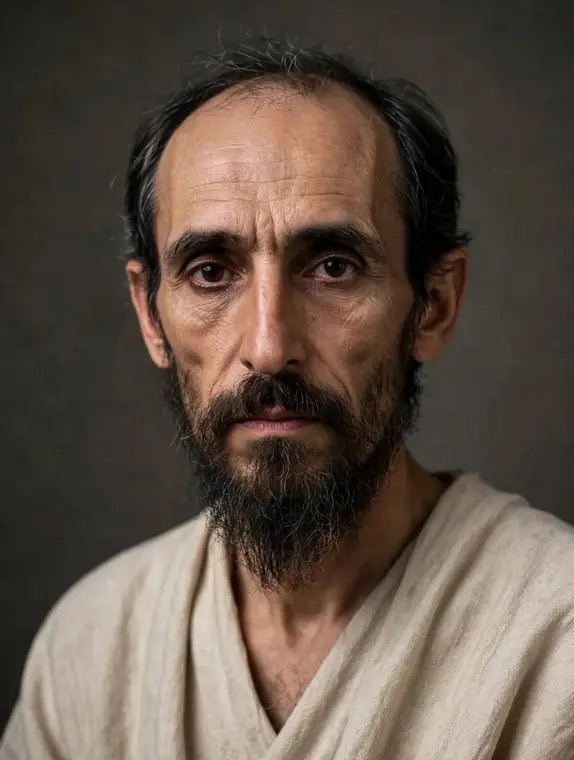
-

- Roman Empire in the First Century A.D.
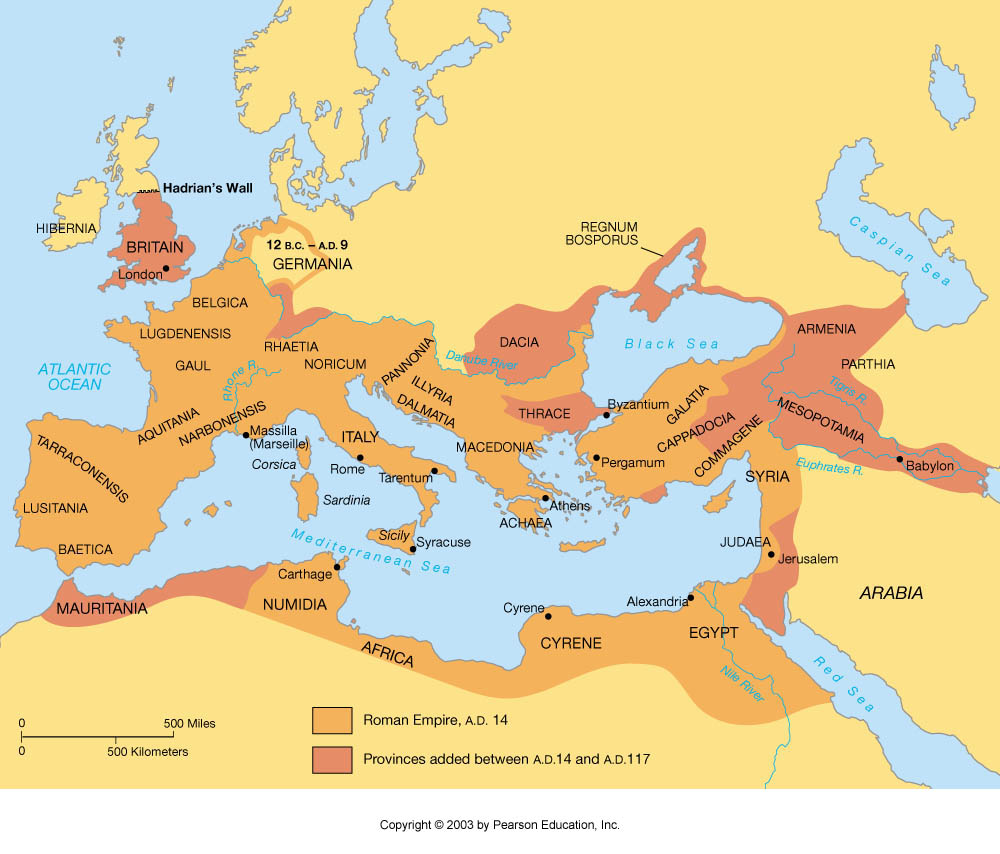
-

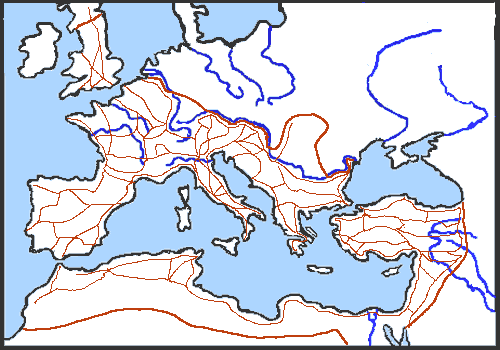
- Roman Empire Linked by Extensive Road Network (red below)
-

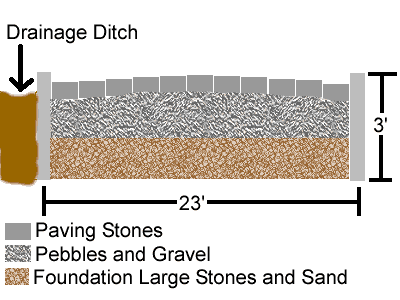
- Unique Consistent Construction Technology
-

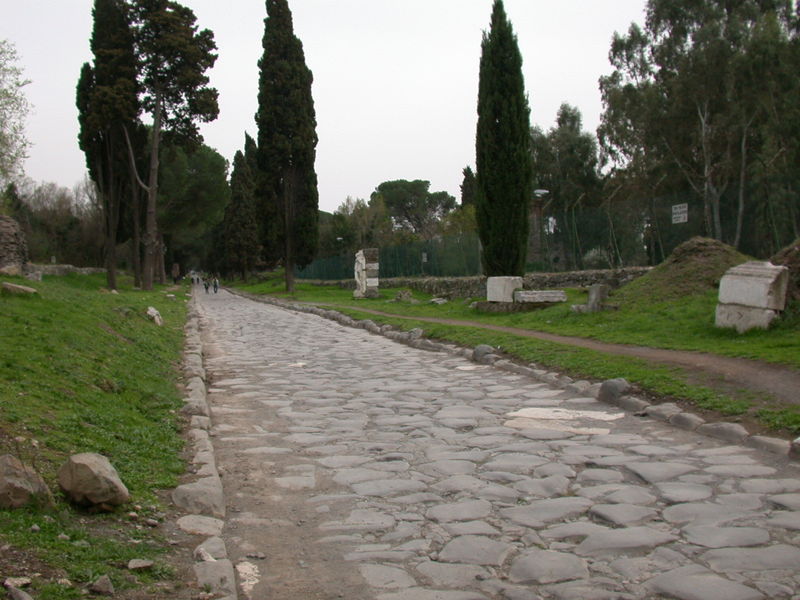
- 2,000 Year Old Roman Roads Today
-

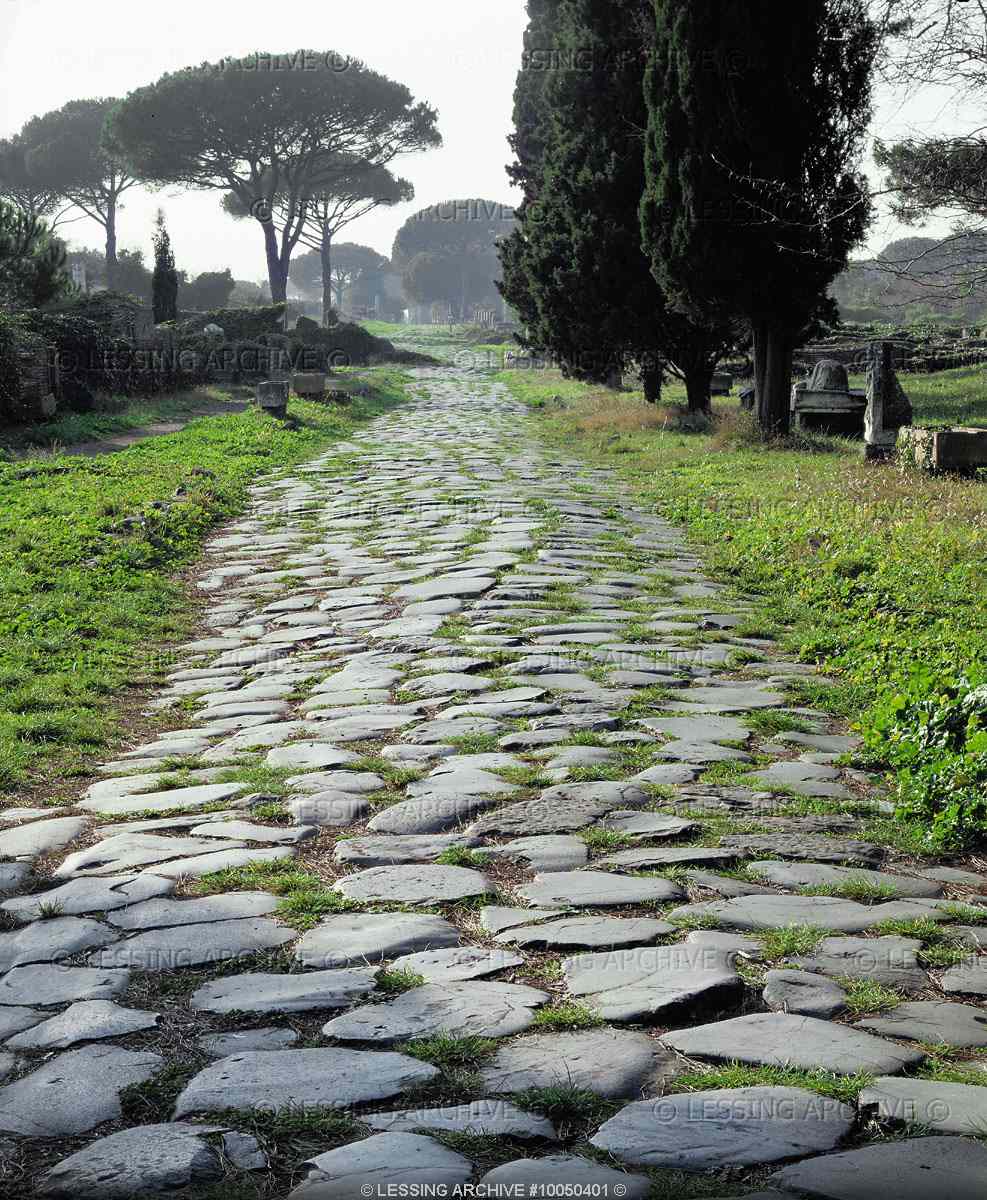
- 2000 year old Roman road in Ostia Antica, Italy.
-

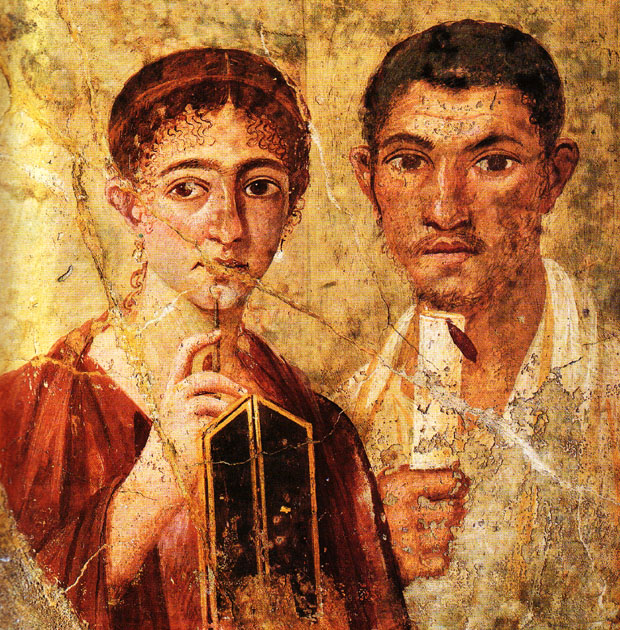
- First Century A.D. Shopkeeper Tertulian and Wife Note the Use of Stylus and Tablet by the Woman
-

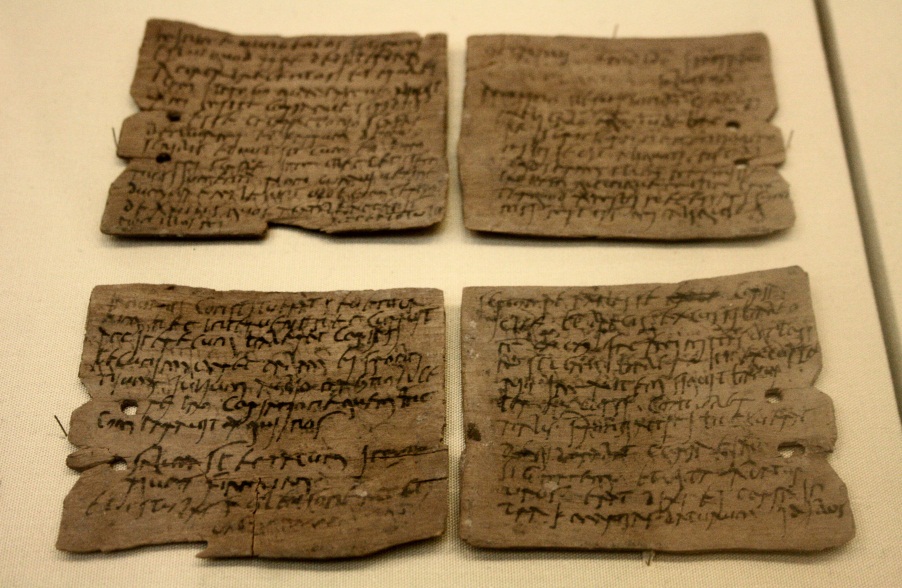
- Typical Roman Stylus and Clay Writing Tablet

-

- Vindolanda Letters Britain First Century A.D.
Paul calls himself a servant and apostle of Christ; not one of the original apostles during Christ’s life on earth but was converted by a vision of Christ on the road to Damascus (ca. 33-36 A.D.). Paul asserted the he received the Gospel not from any person, but by a personal revelation of Jesus Christ. He is generally credited as author of at least seven letters including (Romans, I & II Corinthians, Galatians, Philippians, I Thessalonians, and Philemon. He is probably the author of half a dozen more including Colossians, Ephesians, II Thessalonians, I & II Timothy, and Titus and may be the author of Hebrews.
Paul was a fluent writer but he himself said he was not an eloquent speaker.
Paul is considered one of the most notable and influential early Christian leaders. Paul is largely responsible for the spread of Christianity throughout the Roman world on his three major missionary journeys. Martin Luther and his reformation doctrine were greatly influenced by the teachings of Paul. Much of current Christian theology is based on Paul’s writings.
Paul’s message and thus his ministry were based on two pillars: (1) his commission from Jesus on the road to Damascus (Acts 9:4-6; 17), and (2) from Isaiah 49:6 (“I will make you a light to the nations / Gentiles”). The message was spread throughout the Roman world via the Roman highway system and through the use and common understanding of reading and writing.
Paul initially preached in the Jewish synagogues in the major cities of Greece and Roman Asia Minor. In the synagogues, Paul found (1) Jews who were already familiar with the Old Testament and Mosaic Law, and (2) many synagogues were not opposed to having Gentile visitors as there were no pagan analogues to the synagogues and many locals would come and listen to speakers and learn the stories.
Ultimately, this led to a confrontation between the “Jewish” Christians and the “Gentile” Christians. Jewish Christians insisted, since Christianity was an offshoot of Judaism that all Gentile converts must first become Jews including following all dietary restrictions and the practice of circumcision. Paul thus sought out the church leaders in Jerusalem (Council of Jerusalem ca. 50 A.D.) and secured an agreement that the Gentiles did not have to first become Jews in exchange for raising monies for the Jerusalem church.
The first Christians were not ignorant peasants or slaves as is often portrayed in Hollywood movies. Notable early Christians included people like Erasmus who was the City Treasurer of Corinth, Gaius of Corinth had a house large enough for all the congregations to meet in, Lydia was a dealer in luxury goods in Philippi, and Priscilla (Prisca) who is always mentioned before her husband and must have been a woman of means. So the early Christians were not the top of society but nor were they solely from the bottom class.
According to church tradition, Paul was beheaded in Rome during the reign of Nero either in 62 AD (or possibly as late as 67 AD). In June 2009, Pope Benedict announced the excavation results of the tomb of Paul at the Basilica of Paul in Rome. The sarcophagus revealed purple and blue linen and bone fragments that radiocarbon dated to the first century A.D. Paul is the Patron Saint of missionaries, theologians, and all Gentile Christians. He is also the Patron Saint of the city of London.
One aspect of the fledgling Christian church is that three of the church’s greatest early leaders, Paul, Peter, and James, were all martyred within a 3-5 year period between 62-67 A.D. and yet the church not only survived, it continued to grow. Why? Because the message was no longer exclusively tied to oral preaching by just those leaders but was now being spread (again via the Roman highway system) by written documents
(Gospels, Paul’s and other’s letters) and teaching by new disciples.
Lesson: Acts 22:1-30
OK, time to get your Bibles out and turn to Acts 22. Key highlights of these verses are as follows:
- Acts 22 – V1-21: Despite being told not to go to Jerusalem with the money collected throughout Greece for famine relief, Paul insists on going. And as his companions feared, he is immediately seized and brought before the Sanhedrin. They, of course, want to judge him for blasphemy. Paul had been one of them, a Pharisee among Pharisees, a persecutor of the Christians. And now, somehow he had become a proponent of the new heresy. Paul defends himself by telling the truth; his journey to Damascus was commissioned by the Sanhedrin and what happened to him when he was visited by the vision of Christ.
- V22-30: The crowd listened to his defense but when he finished, they cried out for his death. Paul’s only choice was to call out to the Roman authorities (a nearby Centurion) and tell him he was a Roman citizen. By law, a Roman citizen could always appeal to have his case heard before a central authority, even up to the Emperor, over any local jurisdiction. The Centurion, who was not an original Roman citizen but had purchased his citizenship, was surprised to hear that Paul had been born in Tarsus and was a citizen from birth. He therefore had the right to have his case removed from the Sanhedrin’s judgment.
Conclusions
In today’s lesson, Paul has returned to Jerusalem for the purpose of bringing the money collected across Greece and Asia for famine relief of the members of the Jerusalem church. Paul’s followers begged him not to go himself but Paul decided to go and as predicted by his friends, he was immediately arrested and brought before the Sanhedrin. The Sanhedrin wanted to know how Paul, a senior Pharisee and original persecutor of Christianity could have become one of its strongest proponents.
Paul’s defense is to tell them the truth so he recounts the story of his journey to Damascus and the vision of Christ which then changed his life. The members of the Sanhedrin aren’t moved and want to have him killed. Paul’s only defense is to claim his right as a naturally-born Roman citizen to have his case heard before a Roman court and not the Sanhedrin. A Centurion who is a witness to all this agrees and will ultimately take Paul to the Roman capital of Judea at Caesarea Maritima.
Paul will spend two years in Caesarea and have another court case before Roman authorities. The Roman court will see this as a Jewish religious matter which has nothing to do with Roman law. However, because Paul has appealed his case to the emperor, he will eventually be sent to Rome.
Next week we continue studying witnesses who helped spread the Gospel with a lesson titled “Timothy, The Influence of Home Training” and comes from several passages from the New Testament. As our historical background, I will talk about what is known about the Apostle Timothy.
Have a great week in the Lord and I will see you next week.


